

2026-04-18
High-temperature fans are critical components within modern ceramic kiln systems, engineered specifically to withstand the extreme thermal environments encountered during the firing process. Unlike standard industrial fans, these robust units operate reliably at temperatures often exceeding 1000°C, ensuring consistent airflow essential for temperature uniformity, efficient combustion, and controlled atmosphere management. They serve as the circulatory system of the kiln, directly influencing product quality, energy efficiency, and operational longevity.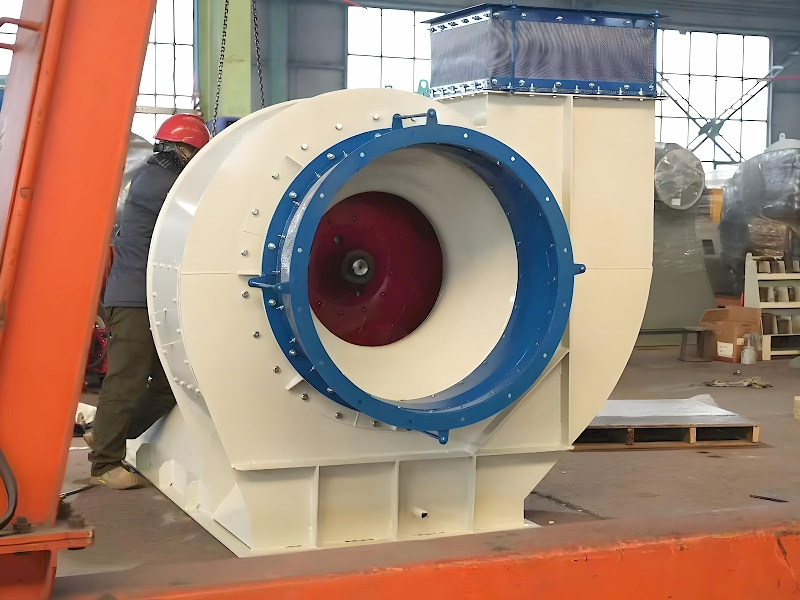
The demanding nature of ceramic manufacturing necessitates precise thermal management, where high-temperature fans play indispensable roles:
Modern ceramic kiln high-temperature fans incorporate advanced engineering to deliver superior performance and reliability:
Q1: Why can't a standard industrial fan be used in a ceramic kiln? A: Standard fans are not designed to withstand the extreme temperatures (often >1000°C) and corrosive atmospheres inside a kiln. Their materials would degrade rapidly, bearings would fail, and efficiency would plummet, leading to frequent breakdowns, safety hazards, and compromised product quality.
Q2: How significant is energy consumption for these high-temperature fans? A: While powerful, modern high-temperature fans prioritize efficiency through optimized aerodynamics and VFD control. Selecting the correctly sized fan and utilizing VFDs to match speed to process demands can lead to substantial energy savings compared to oversized or constantly running units. The energy cost is often offset by improved kiln efficiency and product yield.
Q3: What maintenance is required for a kiln high-temperature fan? A: Maintenance requirements are typically lower than standard fans due to robust construction, but regular checks are essential. This includes monitoring vibration levels, bearing temperatures, lubrication levels (if applicable), inspecting seals, and checking for any signs of thermal fatigue or material degradation. Predictive maintenance based on sensor data is increasingly common.
**Q4: How long is the expected lifespan of a quality high-temperature fan, operation, and maintenance, a well-engineered high-temperature fan can last for many years, often exceeding 5-10 years even in continuous operation within demanding kiln environments. Material quality and operating conditions are key determinants.
Q5: Can existing kilns be retrofitted with new high-temperature fans? A: Yes, retrofitting is often feasible and can be a cost-effective way to upgrade performance, improve energy efficiency, or replace aging equipment. A thorough assessment of the existing kiln structure, ducting, and electrical systems is necessary to ensure compatibility and optimal integration of the new fan system.


