

2026-04-18
In demanding industrial environments where extreme heat is a constant challenge, conventional ventilation systems often fall short. The 500°C High-Temperature Industrial fan emerges as a specialized engineering solution designed to operate reliably under severe thermal stress. Engineered with advanced materials and innovative cooling technologies, these fans maintain structural integrity and performance efficiency where standard units would catastrophically fail. This article explores their critical applications, inherent advantages, and addresses common technical inquiries.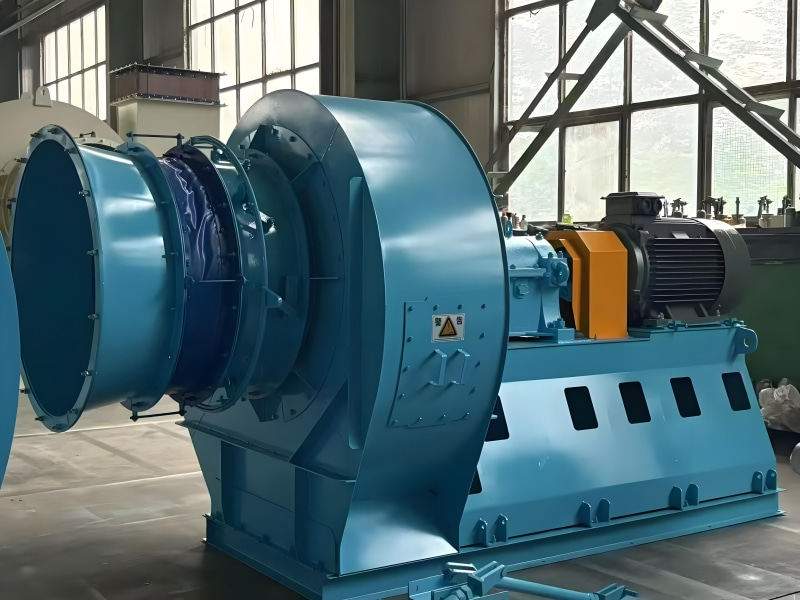
High-temperature fans serve multiple sectors:
several engineered superiorities:
Q1: How does the fan maintain motor integrity at 500°C ambient temperatures?
A1: The motor is typically isolated from the hot gas stream. Designs often employ:
- Extended shaft configurations with cooling fins.
- External motor mounting with a cooled bearing housing acting as a thermal barrier.
- Optional water-cooled or air-cooled external motor enclosures for extreme cases.
Q2: What are the critical maintenance considerations?
A2: Key maintenance focuses on:
- Regular monitoring of bearing temperatures and vibration levels.
- Scheduled inspection/replacement of high-temperature lubricants.
- Checking integrity of thermal insulation and cooling circuits.
- Periodic alignment checks to account for potential thermal distortion.
Q3: Are these fans cost-effective compared to standard units?
A3: While the initial investment is higher, the500°C fan offers significant lifecycle cost advantages:
- Dramatically reduced downtime and replacement costs due to premature failure in hot environments.
- Lower energy consumption through optimized high-temperature operation.
- Extended service intervals and longer overall operational lifespan.
Q4: Can they handle corrosive gases at high temperatures?
A4: Yes, specific configurations are available. Material selection is crucial (e.g., higher nickel alloys, specialized coatings) to combat both high temperature and chemical attack. Consultation for specific gas compositions is essential.


