

2026-04-18
In industrial processes where extreme heat is a constant factor, the reliability of equipment is paramount. The 600℃ High-Temperature Fan represents a pinnacle of engineering designed specifically to operate reliably in environments where conventional fans would fail. Constructed with advanced materials and innovative cooling technologies, these fans are built to withstand continuous exposure to temperatures up to 600 degrees Celsius (1112 degrees Fahrenheit), ensuring stable airflow and system integrity in the most demanding applications. This capability is not merely an enhancement but a critical requirement for industries pushing the boundaries of thermal processing.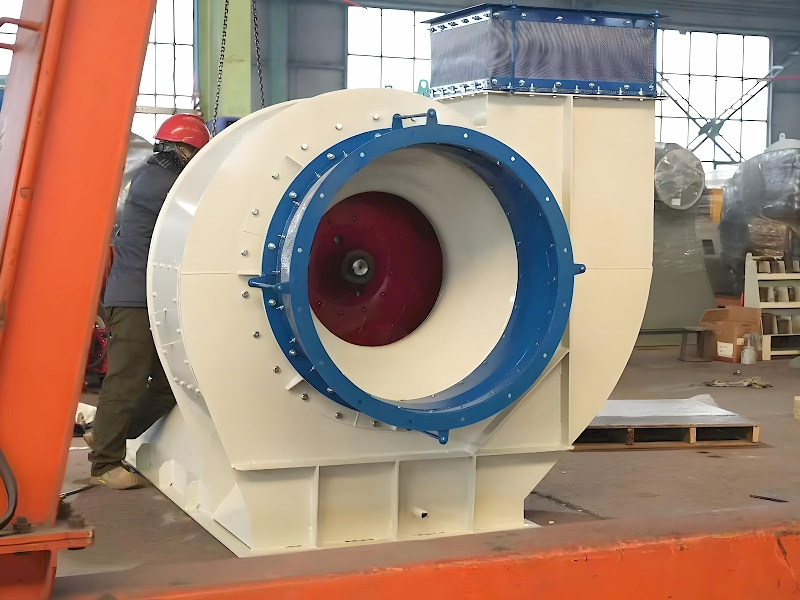
The exceptional heat tolerance of 600℃ High-Temperature Fans makes them indispensable across various high-heat industries:
Choosing a 600℃ High-Temperature Fan delivers significant operational benefits:
Q1: What truly enables a fan to withstand 600℃ continuously? A: It's a combination of factors: specialized high-temperature alloys for critical parts, effective thermal barrier systems isolating heat from sensitive components (bearings, drive), engineered thermal expansion allowances, and often active cooling systems for bearings and shafts. Material selection and thermal management are paramount.
Q2: Are these fans suitable for handling corrosive gases along with high heat? A: Absolutely. High-temperature alloys like those in the Inconel or Hastelloy families offer excellent resistance to oxidation and many corrosive gases at elevated temperatures. The specific gas composition dictates the optimal material choice, which can be customized.
Q3: How critical is the cooling system for the bearings? A: Extremely critical. Bearings are typically the most temperature-sensitive component. Without effective cooling (air, water, or oil systems), standard bearings would rapidly fail. High-temperature fans employ specialized cooling jackets and often high-temperature rated bearings or external bearing arrangements.
**Q4: What maintenance considerations are specific to high-temperature fans?, and creep in high-stress areas are vital. Bearing cooling systems require monitoring. Lubrication intervals might be shorter due to the harsh environment. Following the manufacturer's high-temperature specific maintenance protocol is essential.
Q5: Can these fans be integrated with existing high-temperature processes, like furnaces or burners? A: Yes, they are designed for integration. Custom flanges, specific material compatibility with process gases, and tailored performance curves (pressure-flow) ensure seamless operation within complex high-temperature systems, often working in conjunction with burners or heat recovery units.


