Power Plant Induced Draft (ID) Fans: The Essential Workhorse for Efficient Operations
Introduction
Induced Draft (ID) Fans are critical components within thermal power plants, functioning as the primary exhaust system for combustion gases. Positioned downstream of the boiler and air heaters, they create negative pressure (draft) to draw flue gases through the boiler and expel them safely via the stack. This controlled draft ensures efficient combustion, optimal heat transfer, and safe working conditions high reliability and demanding operational environments, playing a pivotal role in overall plant efficiency and emissions control.
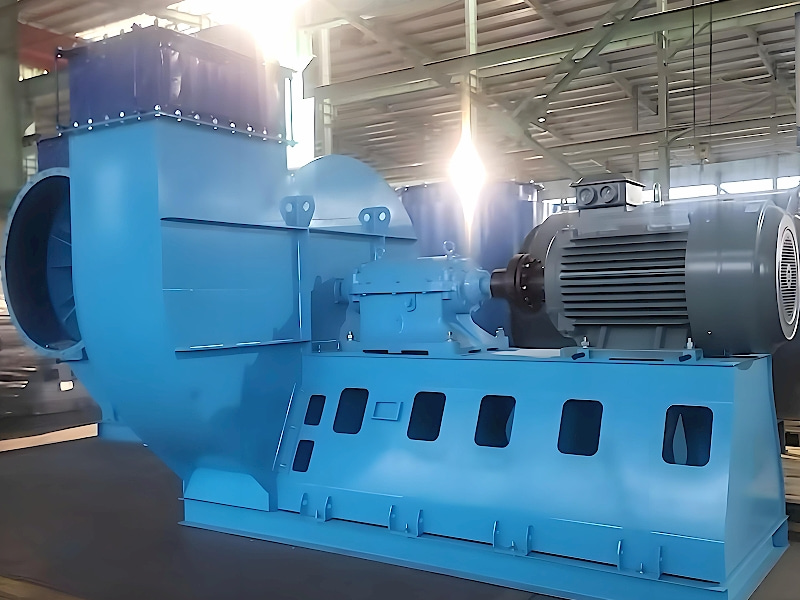
Key Applications and Purpose
The core function of an ID Fan is flue gas extraction:
- Maintaining Draft: Creates the necessary negative pressure to pull combustion gases from the furnace through the boiler passes and pollution control equipment (e.g., ESPs, FGD systems).
- Efficient Combustion: Ensures adequate air supply for complete fuel combustion by balancing the draft created by the Forced Draft (FD) fans.
- Heat Transfer Optimization: Facilitates the smooth flow of transfer surfaces (economizers, superheaters, air heaters), maximizing energy recovery.
- Environmental Compliance: Safely transports gases to emission control systems and ultimately expels cleaned gases through the stack at the required height and velocity.
- Boiler House Safety: Prevents dangerous flue gas buildup or positive pressure situations inside the boiler enclosure.
Technological Advantages and Design Features
Modern ID Fans incorporate advanced design principles and materials to deliver superior performance and longevity:
- High Efficiency Design: Aerodynamically optimized impellers and casings minimize power consumption, significantly reducing operational costs (often representing a major portion of auxiliary power).
- Robust Construction: Fabricated from high-grade steel alloys (e.g., Corten, SS 316) resistant to high temperatures, abrasion from particulate matter, and corrosive elements in flue gas (SOx, NOx, moisture).
- Variable Speed Drives (VSDs): Integration with VSDs (often VFDs) allows precise control of fan speed based on boiler load, leading to substantial energy savings compared to constant-speed fans with damper control.
- Advanced Bearing Systems: Heavy-duty, often double-width bearings with robust lubrication systems ensure reliable operation under high static pressure and thermal stresses.
- Vibration Monitoring: Integrated sensors allow for continuous condition monitoring, enabling predictive maintenance and preventing catastrophic failures.
- Optimized Maintenance: Features such as quick-opening inspection doors, easily replaceable wear liners, and accessible components reduce downtime during maintenance.
- Adaptability: Designs can be tailored to handle specific flue gas conditions (temperature, dust loading, corrosiveness) and space constraints within the plant layout.
Frequently Asked Questions (FAQ)
Q: Why is the ID Fan typically located after the Air Preheater (APH) and electrostatic precipitator (ESP)? A: Placing the fan downstream allows it to handle flue gases after heat recovery in the APH and particulate removal in the ESP. This means the gas is cooler (reducing thermal stress on the fan) and contains significantly less abrasive ash (reducing wear on impeller and casing), leading to longer fan life and lower maintenance costs.
Q: What are the main energy-saving benefits of using a VFD with an ID Fan? A: The power consumed by a fan is proportional to the cube of its speed. Reducing fan speed by even 20% using a VFD can lead to nearly 50% power savings compared to throttling airflow with dampers on a constant-speed fan. This results in substantial reductions in the plant's auxiliary power consumption.
Q: How does flue gas temperature affect ID Fan operation? A: High temperatures reduce gas density, requiring the fan to move a larger volume to achieve the same mass flow rate. The fan must be designed to handle the maximum expected gas temperature. Conversely, excessively low temperatures (below the acid dew point) can lead to condensation and severe corrosion. Material selection and potential heating arrangements are crucial.
Q: What are common failure modes for ID Fans, and how are they mitigated? A: Common issues include:
- Imbalance/Vibration: Caused by wear, ash buildup, or impeller damage. Mitigated by robust balancing, regular cleaning schedules, vibration monitoring,earing Failure:* Due to high load, inadequate lubrication, or contamination. Mitigated by using high-quality bearings, effective lubrication systems, and condition monitoring.
- Corrosion/Erosion: From acidic condensate or abrasive ash particles. Mitigated by material selection (corrosion-resistant alloys), protective coatings, and design features minimizing dust impact angles.
- Fatigue Cracking: In high-stress areas. Mitigated by detailed stress analysis during design and high-quality fabrication techniques.
Q: Can ID Fans handle gases with high moisture content or after Wet Flue Gas Desulfurization (WFGD)? A: Yes, but considerations. Post-WFGD gases are saturated and potentially corrosive. Fans for this service need highly corrosion-resistant materials (like high-grade stainless steel or duplex alloys), effective drainage systems, and often special coatings. Careful design prevents liquid carryover and droplet impingement erosion.


