High-Temperature Circulation Fans: Engineering Excellence for Demanding Industrial Applications
Introduction
High-temperature circulation fans represent a critical class of industrial equipment engineered to operate reliably in extreme thermal environments exceeding standard fan capabilities. Unlike conventional ventilation systems, these specialized fans are meticulously designed with advanced materials, enhanced cooling mechanisms, and robust construction to withstand continuous exposure to temperatures often ranging from 300°C to over 900°C (570°F to 1650°F). They serve as indispensable workhorses in processes where precise and efficient heat distribution, removal, or containment is paramount.
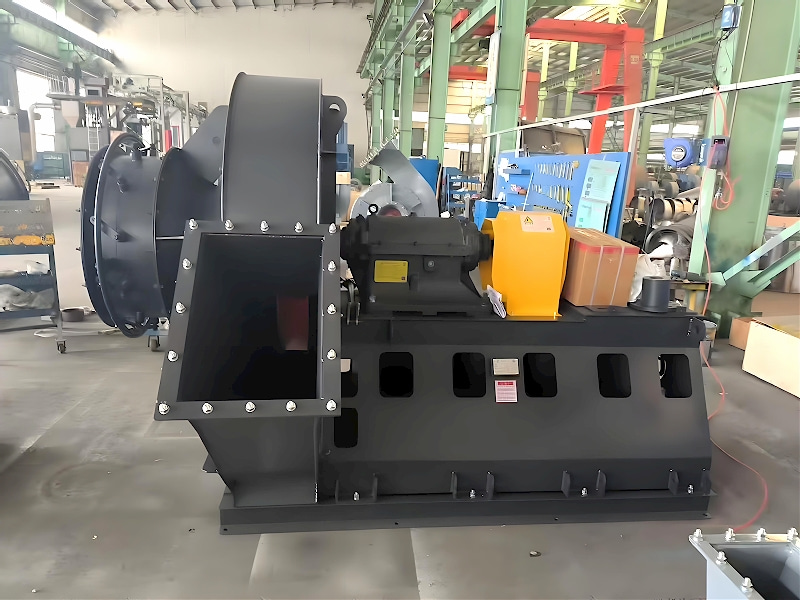
Key Applications & Industrial Uses
The deployment of high-temperature circulation fans spans numerous sectors where thermal management is critical to process efficiency, product quality, and safety:
- Metallurgy & Foundries: Essential for uniform heat distribution in annealing furnaces, tempering ovens, and during the cooling phases of casting processes. Ensures consistent material properties.
- Ceramics & Glass Manufacturing: Facilitates controlled heating and cooling cycles in kilns, lehrs, and drying ovens, crucial for preventing thermal stress and achieving desired product characteristics.
- Chemical Processing & Petrochemicals: Provides vital air movement in reactors, dryers, and catalyst regeneration units operating at elevated temperatures.
- Energy Generation: Used in boiler systems, thermal oxidizers, and flue gas treatment applications for efficient heat transfer and gas circulation.
- Heat Treatment Facilities: Guarantees precise temperature uniformity throughout furnaces for processes like hardening, carburizing, and brazing. controlled and uniform curing processes for advanced materials in autoclaves and ovens.
- Food Processing (Industrial Scale): Employed in large-scale industrial baking, drying, and dehydration tunnels requiring high-temperature air circulation.
Distinct Advantages & Technical Superiority
Investing in a purpose-built high-temperature circulation fan offers significant operational benefits over adapting standard fans or relying on less efficient solutions:
- Exceptional Thermal Resilience: Constructed using specialized alloys (e.g., high-nickel content steels, heat-resistant stainless steels), advanced seals, and thermally stable insulation systems capable of prolonged operation under intense heat without performance degradation or structural failure.
- Optimized Motor Protection: Incorporates sophisticated cooling strategies such as air-cooled jackets, water-cooled casings, or external motor mounting with extended shafts to isolate the motor from the hot gas stream, ensuring long service life and reliability.
- Robust Bearing Systems: Utilizes high-temperature lubricants (greases or oil systems) and often features external bearing housings or cooling arrangements to maintain lubrication integrity and prevent premature bearing wear.
- Superior Aerodynamic Performance: Engineered impellers and housings designed for efficiency under high-temperature, often lower-density conditions, ensuring effective airflow and pressure generation where needed.
- Enhanced Sealing Integrity: Critical shaft seals are designed to withstand thermal expansion/contraction cycles and prevent hot gas leakage into bearing housings or the external environment.
- Structural Integrity: Components are designed considering thermal expansion differentials to prevent distortion, rubbing, or stress cracking during operation and thermal cycling.
- Long-Term Reliability & Reduced Downtime: Built for durability in harsh conditions, minimizing unscheduled maintenance and costly production interruptions compared to standard fans pushed beyond their limits.
Frequently Asked Questions (FAQs)
Q1: What defines a "high-temperature" environment for these fans? A: While definitions vary, high-temperature circulation fans are typically designed for continuous operation in 250°C (480°F), with many models rated for 400°C (750°F) to 900°C+ (1650°F+). The specific rating depends on the fan's design, materials, and cooling systems. Standard industrial fans are generally limited to much lower temperatures.
Q2: How is the electric motor protected from the extreme heat? A: Protection is paramount. Common strategies include:
- Air-Cooled Jackets: A casing around the motor forces cool ambient air over it.
- Water-Cooled Jackets: Circulating water absorbs heat from the motor housing.
- The motor is positioned entirely outside the hot gas stream, connected via a long shaft with appropriate cooling and sealing at the penetration point. Special high-temperature motors with integral cooling may also be used.
Q3: What materials are typically used in construction? A: Material selection is critical. Common choices include:
- Impellers & Casings: Heat-resistant stainless steels (e.g., AISI 309, 310, 314), high-nickel alloys (e.g., Inconel), or specialized coatings for lower-temperature applications.
- Shafts: High-strength, heat-resistant alloy steels.
- Seals: High-temperature packing, specialized labyrinth seals using suitable materials.
- Bearings: High-grade bearings paired with high-temperature lubricants and often external cooling.
Q4: What factors are most critical when selecting a high-temperature fan? A: Key selection criteria include:
- Maximum Operating Gas Temperature: Must exceed the process requirement with a safety margin.
- Required Airflow (CFM or m³/h) & Static Pressure (in. w.g. or Pa): Performance at the operating temperature (gas density is lower!).
- Gas Composition: Corrosive elements affect material choice.
- Duty Cycle: Continuous vs. intermittent operation.
- Available Cooling Medium: Type (air/water) and availability/capacity for motor/bearing cooling.
- Installation Space & Environment: Constraints on size, mounting, and ambient conditions.
- Compliance Requirements: ATEX for explosive atmospheres, specific industry standards.
Q5: What maintenance is required? A: While designed for reliability, proactive maintenance is essential:
- Regular Inspections: Check for unusual noises, vibration levels, and visible leaks.
- Bearing Lubrication: Strict adherence to lubrication schedules using the specified high-temperature grease or oil.
- Cooling System Checks: Ensure air or water cooling systems are functioning correctly (flow, temperature, cleanliness).
- Thermographic Surveys: Periodically check motor and bearing housing temperatures.
- Seal Integrity Checks: Monitor for signs of leakage. Maintenance intervals are typically defined based on operating hours and severity of service.


