High-Temperature Smoke Exhaust Fans: Ensuring Safety and Compliance in Critical Environments
Introduction
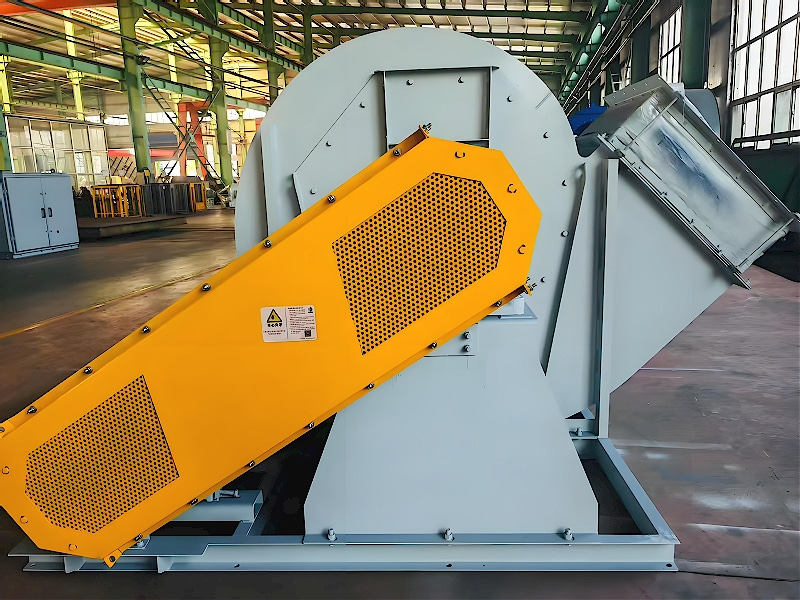
High-Temperature Smoke Exhaust (HTSE) fans are specialized industrial ventilation systems engineered to operate reliably under extreme thermal conditions, typically during fire incidents. Unlike standard ventilation fans, HTSE units are constructed with materials and designs capable of withstanding temperatures exceeding 400°C (752°F) for extended periods. These systems play a vital role in life safety and property protection by rapidly expelling smoke, heat, and toxic gases from buildings, facilitating safe egress for occupants and enabling effective firefighting operations. Compliance with stringent international standards such as UL 705, NFPA, and EN standards underscores their critical function in fire safety engineering.
Key Applications and Use Cases
HTSE fans are indispensable in diverse settings where smoke management is crucial:
- Fire Safety Systems: Integrated into commercial, industrial, and residential building smoke control systems (SCS) to maintain tenable conditions in escape routes.
- Industrial Facilities: Deployed in factories, warehouses, and power plants to mitigate smoke buildup during thermal incidents.
- Tunnels & Underground Structures: Essential for longitudinal or transverse ventilation strategies in subways and in chemical plants, airports, and data centers where rapid smoke extraction is non-negotiable.
- Daily Ventilation: Dual-function models provide routine air exchange while remaining primed for emergency activation.
HTSE fans incorporate advanced engineering to deliver unmatched reliability:
- High-Temperature Resilience:
- Constructed with SS 304/316 stainless steel, aluminized steel, or specialized coatings.
- Bearings and motors are thermally protected or externally isolated.
- Capable of continuous operation at 250–500°C for ≥120 minutes (certified per UL/EN standards).
- Robust Construction:
- Aerodynamically optimized impellers for efficient airflow under duress.
- Redundant motor systems (for critical installations).
- Corrosion-resistant components for harsh environments.
- Intelligent Control Integration:
- Compatible with Building Management Systems (BMS) and fire alarm panels.
- Variable Frequency Drives (VFDs) for adaptive airflow modulation.
- Self-diagnostic capabilities for predictive maintenance.
- Energy Efficiency:
- EC motor technology reduces power consumption by up to 40% compared to AC alternatives.
- Aerodynamic profiles minimize turbulence losses.
- Low Maintenance Design:
- Sealed bearings and IP55-rated enclosures extend service intervals.
- Modular components simplify field servicing.
Frequently Asked Questions (FAQ)
Q1: What temperature thresholds can HTSE fans withstand?
A: Premium HTSE fans endure 400–500°C for ≥2 hours, with some models rated for 600°C short-term exposure. Certification labels (e.g., UL 705) specify exact capabilities.
Q2: Are redundant systems necessary for HTSE installations?
A: Redundancy is mandated in NFPA 92/EN 12101-3 for life-critical applications (e.g., hospitals, high-rises) to ensure operational continuity during motor failure.
Q3: How often should HTSE fans be maintained?
A: Semi-annual inspections are recommended. Critical checks include:
- Belt tension (for driven units)
- Bearing lubrication
- Electrical continuity
- Control system functionality
Q4: Can HTSE fans replace standard HVAC exhaust units?
A: While some HTSE models serve dual purposes, dedicated fire-rated fans are engineered for extreme conditions beyond HVAC specifications. Hybrid use requires AHJ (Authority Having Jurisdiction) approval.
Q5: What is the ROI justification for investing in premium HTSE systems?
A: Beyond compliance, advantages include:
- Reduced insurance premiums via enhanced fire safety ratings.
ance of regulatory penalties and asset devaluation from fire damage.


