Introduction
Stainless steel corrosion-resistant fans are ventilation devices specifically designed for conveying corrosive gases. These fans use high-quality stainless steel (such as 304 and 316L) for their core components and can convey corrosive gases containing acids, alkalis, and various chemical components. The conveyed gases must not contain sticky substances, and the dust and hard particles content should generally not exceed 60mg/m³.
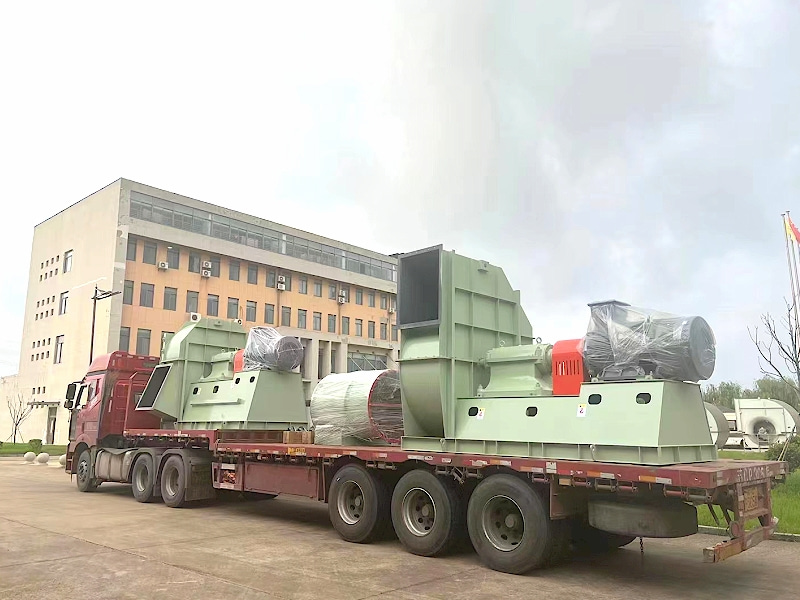
Stainless steel corrosion-resistant fans are widely used in oxidation, chemical, electroplating, power plants, laboratories, circuit board installations, environmental protection equipment, and other places containing corrosive gases. They can also be used for ventilation in pharmaceutical cleanrooms, deodorization in sewage treatment plants, kitchen exhaust systems, and in substation switch rooms, warehouses, basements, and other places requiring ventilation.
FAQ
Q: What is the difference between stainless steel fans and ordinary carbon steel fans?
A: The main differences are in four aspects. First, material and corrosion resistance—carbon steel fans rely solely on paint for rust prevention and lack acid and alkali resistance; stainless steel fans rely on a passivation film formed by a nickel-chromium alloy, which directly resists corrosive gas corrosion.
Q: How to choose the appropriate stainless steel material?
A: For general corrosive environments (such as food processing, weak acid and alkaline gases), 304 stainless steel is sufficient. For highly corrosive environments (such as chlorine-containing media in the chemical industry), 316L stainless steel containing molybdenum should be selected, as its resistance to chloride ion pitting corrosion is significantly better than 304.
Q: What precautions should be taken during installation?
A: Before installation, a comprehensive inspection of all fan components should be conducted to ensure that all connections are secure and that transmission components operate smoothly. After installation, the fan should be manually rotated to check for smooth operation, and a trial run should be performed under no-load conditions.
Q: What are the key points of daily maintenance?
A: Regularly remove accumulated dust, dirt, and other impurities from inside the fan, and check the belt tension regularly to prevent slippage. Check the impeller dust accumulation, bearing lubrication, and motor insulation quarterly.


